Wood Grain Texture Backgrounds Patterns: The Digital Timber Toolkit
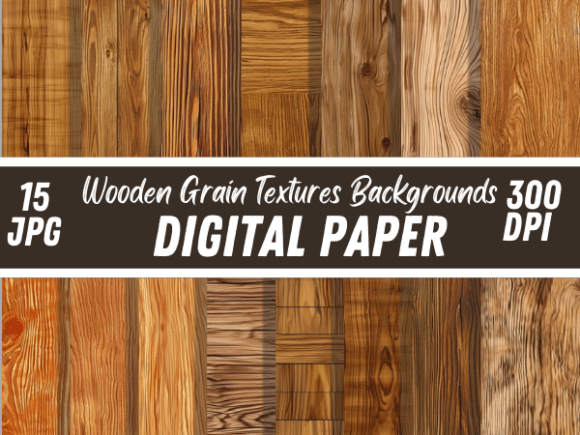
In the world of digital design, finding a texture that feels authentic without being overwhelming can be a challenge. You want something that conveys warmth, history, and substance, but you also need the flexibility of a digital asset. This is precisely where the Wood Grain Texture Backgrounds Patterns collection shines. It is not just a collection of images; it is a comprehensive toolkit designed for creators who demand both high-resolution fidelity and practical versatility. Comprising 15 distinct digital papers in a single, convenient zip file, this collection offers a curated journey through the world of timber. Each paper is rendered at a substantial 4096 x 4096 pixels with a crisp 300 DPI resolution, ensuring that whether you are designing for a small greeting card or a large-scale wall mural, the integrity of the wood grain remains impeccable. The JPG format makes these files universally accessible, ready to be dropped into your preferred design software or sent directly to a printer.
The Soul of the Surface: Understanding the Visual Character
What sets these Wood Grain Texture Backgrounds Patterns apart is their nuanced visual personality. This is not a monolithic collection of identical planks. Instead, you will find a spectrum of timber surfaces, from the rich, deep browns of aged oak to the lighter, more contemporary tones of distressed pine. The patterns capture the essence of natural material with remarkable detail. You can see the subtle variations in the grain, the occasional knot that tells a story of the tree's life, and the weathered, embossed quality that speaks to years of exposure and use. This is a vintage wooden board aesthetic, but it is also deeply rooted in reality. The seamless nature of many of these patterns allows for endless repetition, making them ideal for creating expansive backgrounds for websites or social media graphics without visible tiling. The distressed and rustic textures add a layer of authenticity that feels handcrafted, moving beyond a sterile digital look to something with tangible, emotional weight.
A Toolkit for Every Creative Discipline
The true power of this collection lies in its incredible range of applications. For the graphic designer or brand strategist, these textures are foundational design assets. Imagine using a weathered oak pattern as the backdrop for a rustic restaurant's logo design, instantly communicating a farm-to-table ethos. For a publisher or blogger, the vintage wooden board pattern can transform a simple blog header into an inviting, editorial design element that sets the tone for content about woodworking, home decor, or even historical fiction. The collection is explicitly perfect for projects like vintage invitations, where the texture serves as an elegant, tactile backdrop for calligraphy or modern typography.
For the small business owner and crafter, the utility is even more direct. The high-resolution files are optimized for physical production. They are perfect for sublimation printing on acrylic tumblers, creating unique and sellable merchandise. The patterns work beautifully for fabric bag printing, iron-on transfers for sweaters, or even as a design for elegant clothes printing. Scrapbookers and junk journal enthusiasts will find the distressed and grainy textures invaluable for adding depth and a sense of history to their pages. The patterns can be used as backgrounds for stickers, cut machine designs, or as a base layer for mixed-media art. The possibilities extend to wallpaper printable decoration, where a single, well-chosen texture can define the character of an entire room.
Making It Work: Practical Guidance for Implementation
Integrating a powerful texture like this requires a thoughtful approach. First, consider the project's core message. Is it rustic and traditional? A deep, knotty hardwood pattern might be ideal. Is it modern and Scandinavian? A lighter, smoother grain with less distressing could be the better choice. Always test the texture with your primary typography. A bold, clean sans serif font will stand out sharply against a busy grain, creating a strong visual hierarchy. A more delicate script font might pair better with a subtler, more uniform wood surface to maintain readability.
When evaluating the fit, zoom in on the 4096-pixel detail. Look at the consistency of the grain across the pattern. Does it feel natural? Does it align with the professional standards of your brand identity? For commercial projects, it is crucial to understand the licensing. This collection is provided as a digital product, and while the description does not specify a license type, it is standard practice for such assets to come with a license that permits both personal and commercial use. Always verify the terms before incorporating them into client work or products for sale. Finally, remember the color note: actual colors may vary slightly due to monitor settings. For print-critical work, it is always wise to print a small test sample to ensure the final output matches your vision.
Beyond the Background: A Foundation for Storytelling
Ultimately, these Wood Grain Texture Backgrounds Patterns are more than just a decorative element. They are a narrative tool. A distressed, weathered surface can tell a story of resilience, heritage, and craftsmanship. A clean, polished grain can communicate quality, sophistication, and attention to detail. By choosing the right texture from this collection, you are not just filling space; you are setting an emotional tone and building a visual language that resonates with your audience. Whether you are designing a book cover for a novel about a family cabin, creating packaging for a artisanal product, or developing a social media campaign that needs to feel grounded and authentic, this collection provides the essential, high-quality foundation you need to bring your creative vision to life with confidence and professionalism.