Bring Natural Texture to Your Projects with Rainbow Wood Backgrounds
A Designer's Go-To for Organic Appeal
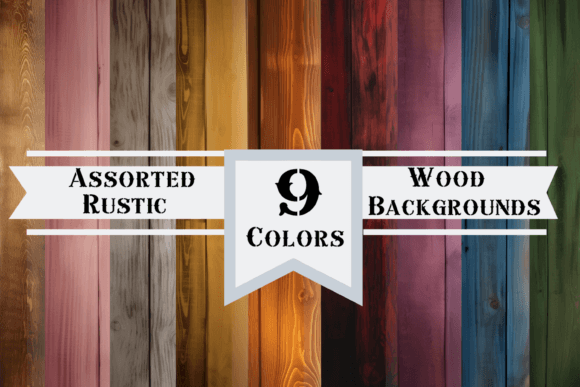
If you've ever stared at a flat, digital design and felt it lacked a certain warmth, you understand the power of texture. Rainbow Wood Backgrounds offer a direct solution. This bundle isn't about complex patterns or overwhelming detail; it's about providing a clean, versatile, and instantly recognizable organic texture. The visual style is straightforward: high-resolution images of wood grain, each saturated in a single, vibrant color. The personality is modern, approachable, and surprisingly adaptable. It avoids the rustic, cabin-like feel of some wood textures, leaning instead into a contemporary aesthetic where natural material meets bold color. The overall appeal lies in this simplicity—it gives designers a strong, textured foundation without competing for attention.
Practically speaking, this is a collection of 9 different colors: Brown, Pink, White, Yellow, Orange, Red, Green, Blue, and Purple. Each file is a substantial 3000×2000 pixels, a dimension that provides serious flexibility for both digital and physical applications. The files are delivered in a Zip format, a standard for bundling design assets. Before you begin, you'll need to know how to unzip files on your PC or Mac to retrieve them—a simple step that unlocks a world of creative potential.
Where Rainbow Wood Backgrounds Truly Shine
The strength of this texture bundle is its broad utility. It functions less like a specialized creative font and more like a fundamental design asset, akin to a versatile serif font or a reliable sans serif font in a designer's toolkit. Think of it as a visual tone-setter.
For brand identity and logo design, a colored wood texture can communicate approachability, sustainability, or craftsmanship without a single word. A coffee shop might use the Brown texture for its menu background, while a children's brand could leverage the Pink or Yellow for playful social media headers. The consistency of having nine color options means you can maintain a cohesive brand perception across different touchpoints—using Blue for a calming wellness brand's website and Green for its eco-friendly packaging.
In packaging design and editorial design, these backgrounds are workhorses. They provide a tactile, print-ready surface for product labels, magazine feature spreads, or book covers. The high resolution ensures that when you print on cups, shirts, bags, mats, clocks, masks, or stickers, the wood grain remains sharp and convincing, not pixelated. For digital creators, they are perfect for creating engaging social media graphics, YouTube thumbnails, or podcast cover art that needs to stop a scrolling thumb. The texture adds depth that a solid color block simply cannot achieve.
Practical Guidance for Effective Use
Integrating a strong texture like Rainbow Wood Backgrounds into a project requires a thoughtful approach. It's not a handwritten font or a script font that you simply type with; it's a background layer that influences everything placed on top of it. Here’s how to use it effectively.
- Evaluating Project Fit: Ask what emotion or message you need to convey. This texture suggests warmth, nature, and creativity. It's ideal for projects where you want to feel human and less corporate. It might be less suitable for ultra-minimalist or high-tech aesthetics unless used with extreme subtlety.
- Ensuring Readability and Hierarchy: The primary challenge with any textured background is ensuring text remains legible. Use this as a layer, not a replacement for solid backgrounds in text-heavy areas. Place a semi-transparent color overlay or a simple shape (like a white or dark box) behind your main body copy. Use the wood texture for larger areas—headers, sidebars, or hero images—where it can add personality without hindering readability. Pair it with clean, modern typography; a simple sans serif font for body text creates a pleasing contrast with the organic texture.
- Testing and Pairing: Don't just drop it in. Experiment. How does the Blue wood look with your brand's yellow accent color? Does the White texture make your dark logo pop more than the Brown? Treat it like testing font pairings. The goal is visual hierarchy and consistency, not just decoration. Because the bundle includes multiple colors, you have built-in options for creating coordinated campaigns or product lines.
- Commercial Considerations: Always review the license for any premium font or design asset. Ensure the terms allow for your intended use, whether for personal projects, client work, or merchandise you plan to sell. The value of a commercial font or asset is in its clear licensing, which protects both you and your clients.
In practice, a blogger could use the Orange wood as a background for a recipe card graphic, ensuring the text is placed on a contrasting circle. A small business owner could use the Purple texture for a series of Instagram story templates, creating a recognizable and engaging series. The key is to let the texture support your message, not overshadow it. By using Rainbow Wood Backgrounds as a strategic element in your modern typography and design workflow, you can add a layer of tactile sophistication that elevates the entire project, making it feel more considered and professionally crafted.