Yellow Studio Gradient Backgrounds: A Designer's Warm Asset
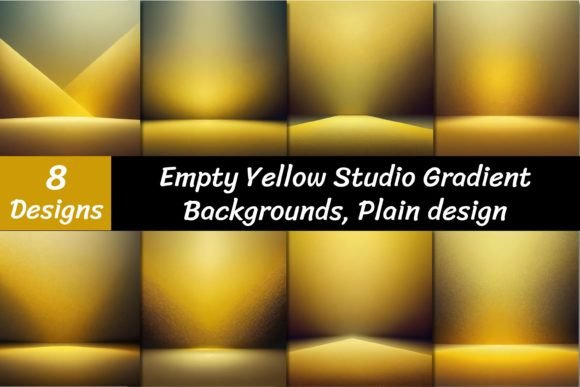
There’s a particular kind of warmth that just works in design. It’s not loud or demanding, but it fills the space with a quiet confidence. That’s the feeling you get with the Yellow Studio Gradient Backgrounds. These aren’t just flat, simple yellows. They are carefully crafted digital papers, each one a smooth, subtle gradient that moves from a soft, creamy tone to a richer, more golden hue. The effect is like the gentle morning light hitting a studio wall—inviting, clean, and full of potential. This isn't a font, but it's a foundational design asset that can define the mood of an entire project, much like a well-chosen typeface sets the voice.
More Than Just a Color: The Personality of a Yellow Gradient
Yellow, in its pure form, can be intense. But these empty yellow studio gradient backgrounds are all about nuance. The gradient technique adds depth and dimension, preventing the background from feeling flat or overwhelming. It creates a sense of movement and sophistication. Think of the difference between a solid serif font and one with subtle weight variations—the gradient provides that same level of visual interest and refinement. The overall personality is optimistic, professional, and surprisingly versatile. It communicates creativity and energy without shouting, making it a perfect partner for a wide range of modern typography.
The appeal lies in its neutrality-within-warmth. It’s a premium foundation that doesn’t compete for attention but instead supports and elevates whatever you place on top of it. This makes it exceptionally useful for brand identity work, where you need a consistent backdrop that lets your logo, headlines, and key messages take center stage. The high-resolution 3600x3600 pixel files at 300 DPI mean this asset is built for serious work, from large-format print design to crisp digital displays.
Where This Background Truly Shines: Practical Applications
The real value of Yellow Studio Gradient Backgrounds is in their application. Let's break down where they can solve problems and enhance projects.
- Digital & Social Media: For Instagram stories, Facebook ads, or website hero sections, this gradient adds instant polish. It creates a welcoming stage for product shots, quote graphics, or promotional banners. It pairs beautifully with both sans serif fonts for a clean, modern look and with script fonts for a more personal, elegant touch.
- Branding & Marketing Materials: Use it as the background for your business cards, letterheads, or email newsletter headers. It helps establish a consistent, warm, and professional tone across all touchpoints. For a logo design presentation, placing the logo on this gradient can help clients visualize it in a real-world, elevated context.
- Publishing & Editorial Design: Imagine the chapter openers in a cookbook, a self-help book, or a lifestyle magazine. This gradient provides a gentle, unifying color wash that makes text-heavy pages feel more approachable and designed. It’s a subtle way to introduce color into editorial design without overwhelming the reader.
- Packaging & Product Design: For small-batch goods, artisan products, or digital product packaging, this background can set a premium, boutique feel. It suggests quality and care, which directly influences brand perception and can justify a higher perceived value.
- Personal & Hobby Projects: From crafting digital invitations for a birthday party to designing a personal blog header or creating custom phone wallpapers, these backgrounds offer a professional starting point that’s easy to use and customize.
Working with the Asset: A Practical Guide
Getting the most out of these files involves a few simple, practical steps. First, remember they are delivered in a ZIP file. You’ll need an unzipping tool like WinZip or WinRAR to access the eight JPEG files. Once unzipped, you have a library of options to test.
Evaluating Fit: Don’t just default to yellow. Consider the emotion of your project. Is it joyful (a celebration invite)? Trustworthy (a financial advisor’s brochure)? Creative (an artist’s portfolio)? The yellow gradient can adapt to all these with the right supporting elements.
Font Pairing is Key: This is where your project’s visual hierarchy and readability are defined. The warm background works well with contrasting cool tones in your typography—think charcoal grays, deep blues, or even crisp whites. For body text, a clean sans serif font ensures maximum readability. For headlines, you can leverage a display font or a bold serif font to create contrast and impact. Always test your text on the gradient to ensure there’s enough contrast for easy reading, especially for longer paragraphs.
Testing and Iteration: The included files offer eight variations. Don’t just pick one. Try different gradients for different parts of a project. A lighter one might work for a background with lots of text, while a deeper, more golden one could be perfect for a social media graphic with a single powerful image. This is part of the process of building a cohesive brand identity—using variations of a core element to create interest while maintaining consistency.
Ultimately, these design assets are tools. Their power comes from how you use them to solve a visual problem or create a specific feeling. By understanding their personality and testing them thoughtfully within your project’s context, you can transform a simple background into a cornerstone of your creative work, adding that sought-after warmth and professionalism to everything you design.