Unveiling the Allure of Mandala Pattern Backgrounds for Covers
A Symphony of Symmetry and Serenity
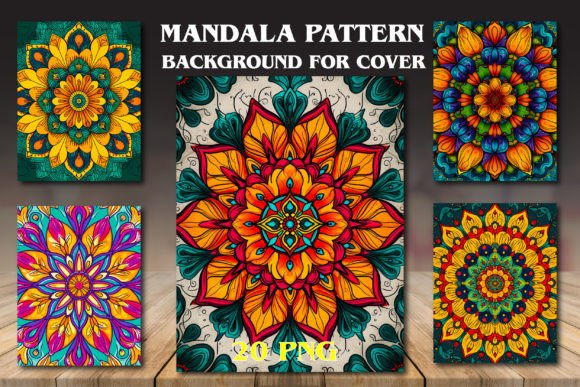
At its core, a mandala is a geometric configuration of symbols, often radial in design, representing the universe in Hindu and Buddhist traditions. Translated into a background for a book cover, this translates to a powerful visual anchor. The Mandala Pattern Backgrounds for Covers collection isn't just a set of decorative files; it's a toolkit for instant visual storytelling. Each design possesses a unique personality—some are bold and intricate, demanding attention, while others are delicate and flowing, evoking a sense of calm. The visual characteristics are defined by their symmetrical balance, repetitive motifs, and layered complexity. This style carries an inherent appeal of mindfulness, artistry, and global culture, making it a versatile asset for projects that aim to feel both thoughtful and visually engaging.
Strategic Applications for Maximum Impact
The true value of these backgrounds lies in their adaptability across the publishing and design landscape. For a KDP publisher or small business owner creating a coloring book, these patterns are mission-critical. They provide the essential, intricate canvas that adult coloring enthusiasts seek for stress relief and creative expression. Beyond the obvious, consider their use in editorial design for a wellness magazine's feature article, or as the backdrop for a social media graphics campaign promoting a meditation app. A blogger focused on mindfulness could use a subtle mandala as a website background to reinforce their brand identity. For marketers and entrepreneurs, these patterns can elevate the packaging design of a product line—think artisanal tea, yoga mats, or skincare—infusing it with a sense of intentional, handcrafted quality. The key is to match the pattern's density and energy to the project's tone: a complex mandala for a detailed activity coloring book, a more minimal one for a sophisticated brand's digital header.
Guiding Principles for Effective Integration
Integrating a mandala background effectively requires a designer's eye for balance. The primary challenge is ensuring the foreground content—be it a title, author name, or central graphic—remains the undisputed focal point. This is where visual hierarchy becomes paramount. A high-contrast color palette is often the simplest solution: white or light-colored typography over a dark, detailed mandala, or vice versa. Alternatively, applying a subtle overlay or using a background with a cleaner central area can create a natural "quiet zone" for text. Always test the readability at thumbnail size, especially for e-commerce platforms like Amazon KDP, where a cover must be compelling even when tiny. When evaluating project fit, ask: does this pattern's personality align with my brand's voice? Does it enhance the message or compete with it? The collection's 300 dpi PNG files ensure professionalism in print, but for digital use, consider optimizing file size without sacrificing the crisp detail that makes these designs special.
Beyond the Coloring Book: Expanding Creative Horizons
While the immediate application for these Mandala Pattern Backgrounds for Covers is clear, their potential as a design asset extends far further. In logo design, a simplified or cropped segment of a mandala can become a unique, symbolic mark for a wellness brand, yoga studio, or spiritual consultancy. For web design, a mandala pattern can be used as a subtle, textured background in a site's header or footer, or as an ornamental divider between content sections. In the realm of print design, they can transform a standard business card, invitation, or program into a piece of art. The collection's variety allows for consistency across a project—using one pattern for the book cover and a complementary, perhaps simpler, pattern from the set for the interior pages or marketing materials. This builds a cohesive brand identity that feels curated and intentional.
Practical Considerations for the Professional Creator
When sourcing premium design assets, practicalities matter. First, always verify the licensing. While these are perfect for personal use, confirm the commercial license allows for their use in products for sale, like published books or merchandise. Second, treat these backgrounds as a starting point, not a finished piece. The most successful applications often involve a degree of customization—adjusting the hue to match a brand color scheme, combining two patterns, or adding a custom texture. Pairing a mandala background with the right typeface is critical. A clean, modern sans serif font can provide excellent contrast and legibility against an ornate background, while a more elegant serif font might suit a classic, literary project. Avoid overly decorative script fonts that could get lost in the pattern's detail. Finally, use these resources to solve real problems: to make a cover stand out in a crowded marketplace, to convey a specific mood instantly, or to add a layer of depth and meaning to a visual project. The goal is not just to decorate, but to communicate effectively.