Rainbow Pastel Crochet Backgrounds: A Textural Design Asset
There is a distinct tactile quality to crochet that digital screens often struggle to replicate. It brings a sense of warmth, handcraft, and nostalgia to any composition. When you combine that intricate textile look with the soft, airy spectrum of pastel colors, you get something truly special for modern design. This is exactly where Rainbow Pastel Crochet Backgrounds shine. They are not just digital papers; they are foundational elements that bring personality and a gentle aesthetic to creative work. For designers, marketers, and content creators, these assets offer a way to break free from flat, sterile backgrounds and inject a layer of organic texture and color.
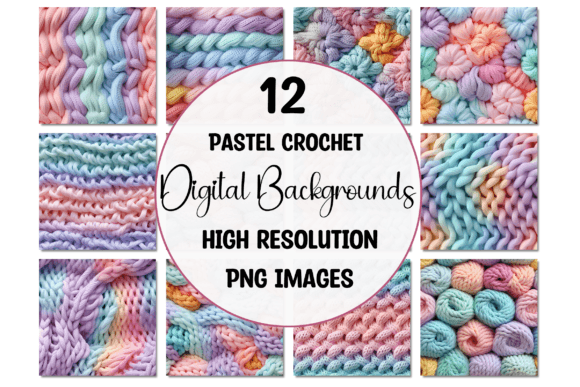
Imagine the visual feel: a soft, woven pattern where threads of lavender, mint, blush pink, butter yellow, and sky blue intertwine. The texture has depth, with subtle shadows and highlights that give a sense of real dimension. This style carries a friendly, approachable, and slightly whimsical personality. It feels handmade and genuine, which can be a powerful differentiator in a digital landscape full of slick, impersonal graphics. The overall appeal lies in its versatility—it can feel playful for a children's brand, sophisticated for a lifestyle blog, or comforting for a wellness business. It’s a background that tells a story before a single word is read.
Practical Applications for Designers and Creators
The true value of a design asset like this lies in its real-world utility. These Rainbow Pastel Crochet Backgrounds are delivered as high-resolution 3600 x 3600 pixel PNG files. This size is crucial. It means the file is large enough for professional print projects without any loss of quality, and it can be scaled down for digital use while maintaining perfect clarity. You are not just getting a small web graphic; you are getting a premium, print-ready asset.
For those working in editorial design and publishing, think beyond the obvious. A pastel crochet texture makes a stunning backdrop for magazine feature pages, especially for topics like DIY, home decor, family, or fashion. It can serve as a soft, non-distracting background for pull quotes or chapter title pages in a book. The texture adds visual interest without competing with the typography. When paired with a clean sans serif font for body text, the contrast between the organic background and the modern type creates a balanced, professional hierarchy that guides the reader's eye.
In the realm of brand identity, consistency is key. These backgrounds can be a unifying element across various touchpoints. A small business selling handmade goods, a wedding planner, or a boutique bakery could use this texture on their website, social media headers, and printed business cards. The consistent use of this specific color and texture builds instant recognition. It tells customers, "This brand is creative, detailed, and cares about quality." It’s a subtle but effective tool for logo design contexts too, providing a rich backdrop that allows a simple logo mark to pop.
For web design and social media graphics, the applications are immediate. Use it as a website hero image background to set a welcoming tone the moment a visitor lands on your page. On Instagram or Pinterest, it becomes the perfect canvas for quote graphics, product flat lays, or announcement posts. The pastel rainbow is inherently cheerful and engaging, which can boost audience interaction. It works exceptionally well for content creators, bloggers, and influencers who want their feed to feel cohesive, colorful, and curated. The background does the heavy lifting of establishing a mood, letting your content take center stage.
Integrating Texture into Your Creative Workflow
Choosing the right background is a strategic decision. Before you select a Rainbow Pastel Crochet pattern, consider your project's core message. Is it meant to feel joyful and energetic, or calm and nurturing? The specific color balance within the pattern can influence this. A pattern leaning more towards soft pinks and purples may feel more romantic, while one with more greens and yellows might feel more fresh and spring-like. Always view the asset at the size you intend to use it to ensure the texture's scale feels appropriate for your layout.
Testing is non-negotiable. One of the most important steps is evaluating font pairing. A highly textured background demands a typeface with good readability. A bold, geometric display font for headlines can stand up to the pattern, while a simple, clean serif font or sans serif font for smaller text will ensure your message isn't lost. Avoid overly ornate script fonts or handwritten fonts for body copy, as they can become illegible. The goal is contrast: the organic, handcrafted background should complement, not clash with, the precision of your typography. Use tools like Adobe Color or Coolors to pull specific pastel hues from the background to use in your text or graphic elements, creating a seamless and intentional design asset palette.
Remember, this is a digital product. Its flexibility is its strength. You can layer other graphics on top, adjust the opacity, or even use it as a subtle texture overlay on a solid color block. It's a versatile tool for packaging design mockups, creating unique green screen backgrounds for video, or designing standout photography backgrounds for product shoots. The key is to experiment. See how the texture interacts with your specific content. The best projects use assets like these not as a crutch, but as a catalyst for more thoughtful and engaging visual storytelling. It’s an investment in a piece of your creative toolkit that can elevate countless projects with its unique blend of color and craft.