Exploring Pink Watercolor Backgrounds PNG: A Designer's Guide
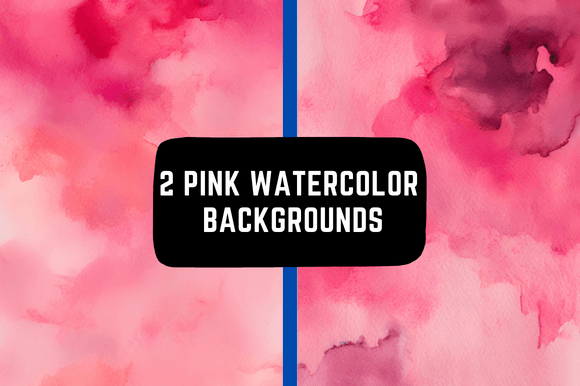
There’s something inherently inviting about the texture of watercolor. It feels organic, artistic, and slightly unpredictable. When that texture is rendered in shades of pink, it carries an added layer of warmth and softness. A high-resolution Pink Watercolor Backgrounds PNG file, especially one at a substantial 5500×4000 pixel size, is more than just a pretty picture; it's a versatile design asset. It’s the kind of resource that can elevate a project from feeling digital and sterile to feeling handmade and heartfelt, all while maintaining professional clarity.
The Visual Language of Pink Watercolor
Before diving into applications, it helps to understand the asset's personality. A pink watercolor background isn't a flat, single-hued field. Its appeal lies in its complexity: subtle gradients that flow from a soft blush to a deeper rose, the gentle bleed of color where water meets pigment, and the textured "tooth" of the paper showing through. This creates a dynamic surface that feels alive. The large 5500×4000 pixel dimension is critical here. It means you can use it for large-scale print projects—like posters or book covers—without any pixelation or loss of detail. You have the freedom to crop tightly into a specific section for a social media post or use the entire expanse for a website hero image, confident in its quality.
This particular style of design asset sits at a crossroads. It’s artistic enough for a creative portfolio but clean enough for commercial use. The pink hue itself is versatile, moving beyond simple "girly" associations. A dusty rose can feel sophisticated and vintage, a bright magenta can be energetic and modern, and a pale blush can be minimalist and elegant. This range allows it to adapt to different brand voices and project moods.
Practical Applications Across Creative Fields
The true value of a Pink Watercolor Backgrounds PNG is in its application. It’s a workhorse for professionals and hobbyists alike because it solves a common problem: how to add depth, interest, and an artisanal touch without the time or skill required to paint from scratch.
For Brand Identity and Marketing
For entrepreneurs and small business owners, especially in fields like floristry, wedding planning, boutique retail, wellness, or beauty, this background can become a cornerstone of visual branding. Imagine it behind a logo in a brand style guide, setting a soft, approachable tone. It works beautifully as the background for a social media graphics template, making quote posts or announcements feel cohesive and branded. Used in packaging design for a product label or a shopping bag, it communicates care and artistry. The key is consistency. Using the same watercolor texture across your website, business cards, and Instagram feed builds immediate brand recognition.
In Publishing and Editorial Design
Publishers and bloggers can use this asset to create stunning cover art for eBooks, reports, or magazine features. As a background for chapter title pages in a printed book, it adds a tactile quality. In editorial design, it can serve as a subtle base for pull quotes or sidebar graphics, breaking up text-heavy pages and guiding the reader's eye. The large file size ensures it looks crisp in high-DPI print layouts.
For Digital and Web Projects
In web design, a pink watercolor background can transform a header, footer, or section divider. It’s particularly effective for portfolio sites for artists, photographers, or designers, as it frames their work within a creative context. For digital design, it’s perfect for creating eye-catching YouTube thumbnails, podcast cover art, or presentation slides that need to stand out without relying on generic stock photos.
Making It Work: Integration and Font Pairing
A common challenge with such a textured, expressive background is ensuring the foreground elements—especially text—remain readable. This is where thoughtful font pairing and design strategy come into play. The background is the supporting actor; your text and logos are the stars.
A strong contrast is essential. Pair the organic, flowing watercolor with a clean, geometric sans serif font. The simplicity of a typeface like Montserrat or Open Sans will pop against the textured backdrop, ensuring legibility for body copy or headlines. Alternatively, for a more elegant or traditional feel, a sturdy serif font like Playfair Display or Georgia can create a beautiful juxtaposition between classic typography and modern artistic texture. Avoid using overly decorative script fonts or handwritten fonts for large blocks of text, as they can get lost in the background’s detail. Reserve them for short, impactful accent words.
A practical technique is to place your text within a semi-transparent shape—a white or light-colored box with reduced opacity—to create a clear reading field. Another method is to use the watercolor as a border or in a concentrated area, leaving ample clean space for your content. Always test your design at the final output size. What looks good on your screen might need contrast adjustments when printed or viewed on a mobile device.
Choosing and Using Your Asset Wisely
When sourcing a Pink Watercolor Backgrounds PNG, consider more than just the color. Evaluate the file’s transparency. A true PNG with a transparent background offers maximum flexibility, allowing you to layer it over other colors or images seamlessly. If it has a solid white or colored background, your integration options are more limited.
Check the licensing terms carefully, especially for commercial use. Most premium font and asset marketplaces provide clear licenses, but it’s your responsibility to ensure the asset is cleared for your specific project, whether it’s a client’s logo or a product for sale. Look for assets that include multiple variations or colorways within the same collection to maintain a cohesive style across different pieces.
Finally, don’t be afraid to manipulate the asset. Adjust its hue, saturation, or brightness in a photo editor to better match your brand identity. Flip it, rotate it, or combine elements from different watercolor files to create something unique. The goal isn’t just to use a background, but to integrate it so it feels like an intentional part of your design system, enhancing your project’s professionalism and emotional appeal. This thoughtful approach transforms a simple graphic into a powerful tool for visual storytelling.