Embrace the Season: Watercolor Spring Flowers Backgrounds for Your Projects
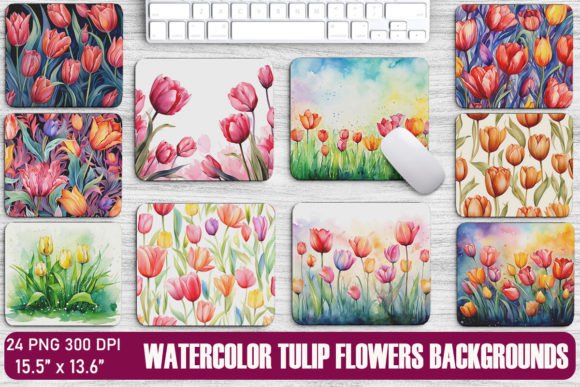
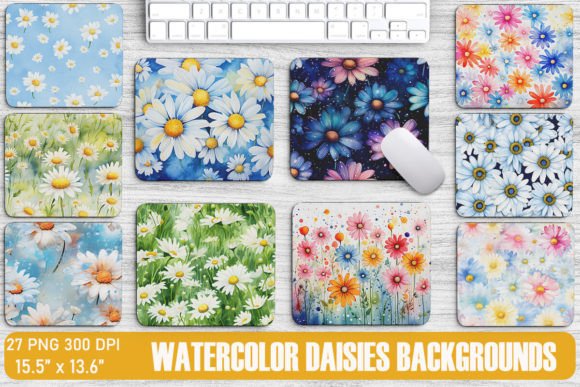
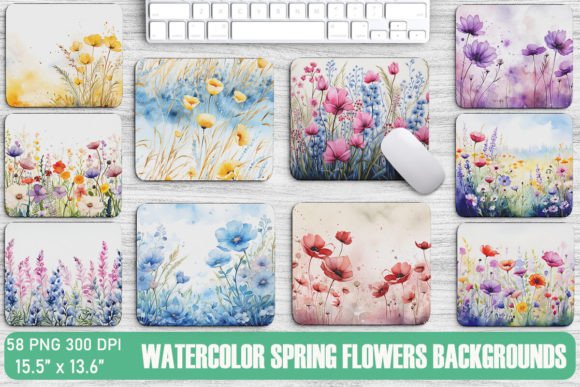
There's a distinct energy to spring—the soft return of light, the tentative green pushing through soil, and the sudden, joyful burst of blossoms. Capturing that feeling in a design project can be transformative, shifting a layout from merely functional to emotionally resonant. This is precisely the niche filled by the Watercolor Spring Flowers Backgrounds collection. It's not just a set of graphics; it's a toolkit for infusing projects with organic elegance and seasonal warmth. The collection features 58 high-resolution PNG files, each approximately 15.5 x 13.6 inches at 300 DPI, offering a substantial library of floral watercolor art designed for versatility.
Understanding the Visual Language
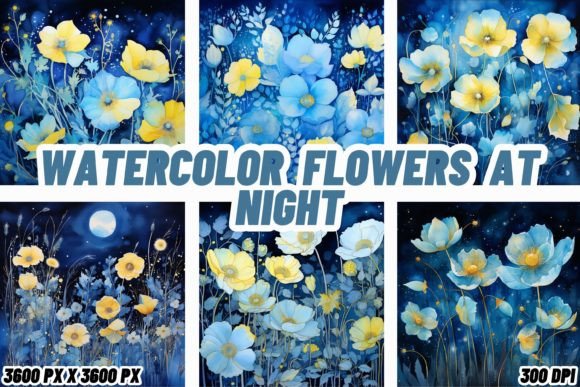
The appeal of these watercolor flower patterns lies in their balanced aesthetic. They strike a chord between artistic detail and functional clarity. The watercolor technique itself brings a human touch—soft edges, gentle color bleeds, and subtle textural variations that digital vector graphics often lack. This style conveys a sense of handcrafted authenticity, making it particularly effective for brands and projects aiming to feel approachable, artisanal, or connected to nature. The springtime floral backdrops within this set likely range from dense, blossoming arrangements to more sparse, delicate sprigs, providing options for both bold statement pieces and subtle accents.
From a practical design standpoint, these backgrounds act as a powerful, yet supportive, visual element. They establish a mood and color palette immediately. For a graphic designer, they are a ready-made foundation. Instead of spending hours painting or sourcing individual botanical elements, you have a curated library of spring blossoms backgrounds. The key is in how you use them. A full-bleed floral watercolor art piece behind white typography can create a stunning poster or social media banner. Used as a corner vignette or a faded overlay, it can add depth to a website hero image or a product catalog page without overwhelming the primary content.
Practical Applications Across Mediums
The true value of a design asset is measured by its utility. This collection is explicitly designed for a wide array of creative outputs. For print projects, the 300 DPI resolution ensures crisp results on invitations, greeting cards, and stationery. The generous size allows for resizing without quality loss, a critical factor for large-format printing like banners or signage. In the digital realm, these PNG files are ideal for web backgrounds, blog post headers, and email newsletter designs. They can instantly elevate the perceived quality of content, making a simple announcement feel like a special occasion.
For entrepreneurs and small business owners, particularly in sectors like floristry, wedding planning, boutique retail, or artisanal food, these backgrounds can become a cornerstone of your brand identity. Consistent use of a specific floral pattern or color scheme from the set across your packaging, social media graphics, and website creates a cohesive, recognizable aesthetic. It tells a visual story that aligns with your brand's personality—whether that's romantic, fresh, elegant, or whimsical. The files are perfect for creating mockups, designing product labels, or crafting social media banners that stop the scroll.
Crafters and hobbyists will find endless uses in scrapbooking, journaling, and DIY home decor projects. The ability to print these patterns at home or through a print service opens up personalization for gifts, party decorations, and memory-keeping. For content creators and bloggers, having a library of such premium design assets streamlines the workflow. You can quickly generate visually consistent thumbnails, quote graphics, and promotional materials that align with a spring or floral theme, saving valuable time.
Integration and Design Considerations
When incorporating these watercolor spring flowers backgrounds into a project, a few design principles will help maximize their impact. First, consider visual hierarchy. The background should support, not compete with, your main message. If the floral pattern is busy, use bolder, simpler typography for headlines. If it's a more sparse, delicate pattern, you might have more flexibility with font choices. Experiment with opacity and blending modes in your design software to soften the background further or integrate it more seamlessly with other colors in your layout.
Font pairing is another crucial consideration. The organic, flowing nature of watercolor art pairs beautifully with certain typefaces. A clean, modern sans-serif font can create a striking contrast, grounding the organic background with contemporary clarity. Alternatively, a classic serif font can enhance a sense of tradition and elegance. For a more cohesive, whimsical feel, a well-chosen script or handwritten font can mirror the fluidity of the watercolor, but readability must be carefully tested, especially for body text. Always print a test or view at 100% zoom to check how the background interacts with your typography at the final intended size.
Remember the technical note: colors may vary between screens and printers. If color accuracy is critical—for instance, in brand materials or fine art prints—always do a test print on your intended paper stock. The fact that these are PNG files means they have a transparent background, offering immense flexibility. You can layer them over solid colors, photographs, or other textures. You can also crop sections to use as isolated elements, like a cluster of blossoms for a logo accent or a border.
This collection of springtime floral backdrops is a versatile toolkit for anyone looking to add a touch of natural beauty and sophisticated charm to their work. It bridges the gap between a creative font asset and a full-fledged graphic library, offering solutions for digital designers, print publishers, and creative hobbyists alike. By understanding the style and applying it thoughtfully, you can leverage these floral watercolor art pieces to enhance readability, establish brand perception, and engage your audience on a more emotional level. It’s about using professional-grade design assets