8 Vintage French Lavender Backgrounds for Your Next Project
Finding the right background texture is often the unsung hero of a successful design. It sets the stage, establishes a mood, and can either elevate your main content or compete with it. For those working on projects that call for a touch of rustic elegance, soft nostalgia, or botanical charm, a curated set of assets can be a game-changer. This is where a collection like the 8 Vintage French Lavender Backgrounds and its companion 8 Vintage French Lavender digital paper illustrations come into play, offering a versatile toolkit for a wide range of creative endeavors.
The Visual Character: More Than Just a Purple Hue
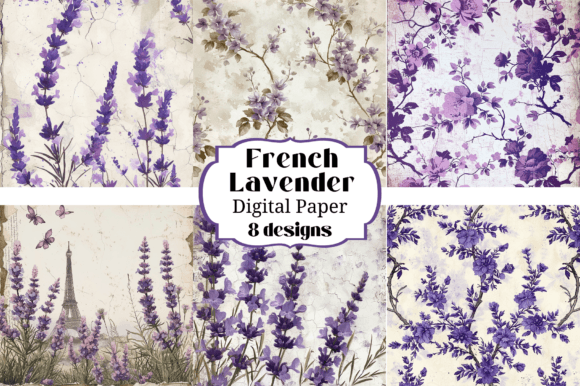
At first glance, you might think of these as simple floral patterns. But the appeal of these design assets lies in their nuanced execution. The "vintage" descriptor is key. These aren't bright, modern photographic prints. Instead, they evoke a sense of history, as if the lavender has been gently pressed in an old book or printed on aged fabric. The color palette typically leans towards muted, dusty lavenders, soft sage greens, and warm, creamy off-whites, avoiding any harsh or overly saturated tones.
The personality of these backgrounds is decidedly gentle and romantic. They carry the quiet elegance of the French countryside—a blend of natural beauty and understated sophistication. This isn't the bold energy of a geometric pattern or the stark minimalism of a solid color. It's a style that feels handmade, thoughtful, and slightly imperfect in the best way possible. Think of the texture of high-quality watercolor paper or the subtle weave of linen. This inherent softness makes them an excellent foundation for projects where you want the viewer to feel a sense of calm, authenticity, and artisanal quality.
Where These Backgrounds Shine: Practical Applications
The true value of any premium font or background set is in its application. The beauty of this lavender collection is its surprising versatility. It’s not just for one type of project; it’s a foundational element that can adapt to numerous contexts.
For crafters and hobbyists, the use is almost intuitive. These digital papers are perfect for scrapbooking, junk journaling, and collage work. They provide an instant, cohesive backdrop for photos, memorabilia, and handwritten notes. In card making, a subtle lavender background can frame a sentiment beautifully, adding a layer of texture and interest that a plain cardstock cannot. Because they are high-resolution PNG files, they print with crisp detail, ensuring your physical crafts look professional.
Digital creators will find them equally useful. Bloggers and publishers can use them as backgrounds for quote graphics, social media posts, or website hero sections that need a soft, welcoming feel. Imagine an Instagram post for a wellness brand or a recipe blog featuring a lavender-themed dish; the right background instantly contextualizes the content. For web design, a lightly faded version of the pattern could be used as a subtle texture behind a content block, adding depth without distracting from the text—a crucial consideration for readability and visual hierarchy.
In branding and marketing, these backgrounds offer a strategic advantage for certain niches. A business selling handmade soaps, botanicals, artisanal foods, or even a boutique travel agency specializing in trips to Provence could weave this lavender pattern into their brand identity. It could appear on product packaging, business cards, email newsletter headers, or as a website background. Consistent use of such a distinctive texture helps build brand recognition and communicates a specific, curated aesthetic to the audience. It tells a story of quality, natural ingredients, and European charm before a word is even read.
Integrating These Assets into Your Design Workflow
Simply having beautiful assets isn't enough; knowing how to use them effectively is what separates good design from great design. Here’s some practical guidance for incorporating the 8 Vintage French Lavender digital paper backgrounds into your projects.
First, consider the project's core message. Does the gentle, romantic, and slightly rustic personality of these backgrounds align with what you're trying to communicate? They are a perfect fit for themes of nature, wellness, history, romance, and artisan craftsmanship. They would be a poor fit for a tech startup, a corporate law firm, or a brand that needs to project high-energy, cutting-edge innovation. This initial evaluation is crucial for choosing the right design assets.
Next, think about font pairing. The background is just one part of the visual system. The typography you choose to overlay on it will dramatically affect the final look. A delicate serif font or a flowing script font would harmonize beautifully with the vintage floral theme, enhancing its elegance. For a more modern contrast that maintains readability, a clean, geometric sans serif font could work well, letting the background provide the texture while the typography provides a contemporary edge. Avoid overly ornate or handwritten fonts that might get lost in the pattern. Always test your pairings by creating a mockup to ensure the text remains legible and the visual hierarchy is clear.
Finally, don't be afraid to manipulate the assets. The product description notes that the images are easily resized. This is a key feature. You can scale the pattern to make the lavender blooms larger or smaller to suit your layout. You can also adjust the opacity. A full-opacity background is perfect for a scrapbook page, but for a website, fading it to 10% or 15% can create a sophisticated, whisper-soft texture that adds interest without sacrificing the clarity of your content. Experiment with layering, cropping, and even combining different backgrounds from the set to create unique compositions. The goal is to use these assets as a starting point for your own creativity, ensuring your final design feels both professional and uniquely yours.