16 Antique Fabric Backgrounds for Vintage Design Projects
If you’ve ever tried to design a project that feels authentically aged without looking like a generic filter, you know the struggle. Creating that specific tactile memory of worn linen, faded velvet, or distressed burlap requires more than just a sepia overlay. It requires texture. This is exactly where a collection like the 16 Antique Fabric Backgrounds becomes an essential part of your digital toolkit. These aren't just images; they are high-resolution assets designed to bring the warmth and history of textile into your modern digital workspace.
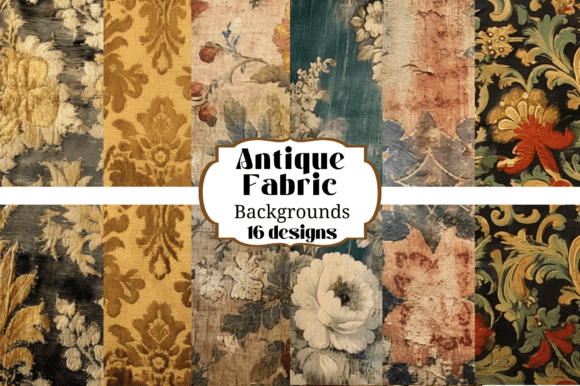
Visually, this collection offers a rich variety of grain and weave. You aren't getting sixteen versions of the same file. Instead, you get distinct personalities—some mimicking heavy canvas, others resembling delicate, threadbare cotton. The color palettes lean toward earthy, muted tones, providing that "lived-in" aesthetic that is so popular in modern typography and brand identity work today. Because these files are delivered as PNG files at 300 DPI, the detail is crisp. You can zoom in to see the individual fibers, which is crucial when you are working on high-quality print design or detailed packaging design. The transparency and file quality ensure that when you layer these backgrounds behind text or graphics, the result looks professional, not pasted on.
Why Texture Matters in Modern Branding
In an era dominated by flat design and clean sans serif font styles, texture provides a necessary counterbalance. It adds depth and emotion. When you pair a clean, geometric premium font with a rough, antique fabric texture, you create a visual tension that is incredibly engaging. This contrast helps in visual hierarchy, drawing the eye to the content while the background sets the mood.
For entrepreneurs and marketers, using these backgrounds can significantly alter how a brand is perceived. A brand that utilizes linen or canvas textures often feels more approachable, sustainable, and authentic. Think about a bakery, a boutique clothing line, or a handmade soap company. Their logo design or website hero image doesn't just need a pretty picture; it needs a foundation that communicates "handmade" and "quality." The 16 Antique Fabric Backgrounds provide that foundation instantly. They help in building a brand identity that feels grounded and trustworthy, rather than sterile and corporate.
Practical Applications for Crafters and Designers
The versatility of this collection is one of its strongest selling points. It is marketed heavily toward the scrapbooking and junk journal community, and for good reason. These textures mimic the vintage papers and cloths used in mixed-media art. However, the utility extends far beyond personal hobbies.
- Digital Collage and Illustration: Digital artists can use these as base layers to add grit to their illustrations. It breaks up the "digital smoothness" that can sometimes make vector art feel cold.
- Social Media Graphics: Content creators and bloggers can use these as backgrounds for quote cards or promotional banners. A script font or handwritten font overlaid on a linen texture creates a very popular "Pinterest-friendly" aesthetic that drives engagement.
- Web Design: While full-page background images can slow down a site, using these textures for specific sections—like a footer, a sidebar, or a "About Me" block—can add warmth to a layout without sacrificing load times.
- Editorial Design: If you are working on a magazine layout or a lookbook, these textures work beautifully as page borders or behind pull quotes. They add a tactile feel to editorial design that keeps the reader engaged.
Integrating Textures with Typography
One of the challenges with textured backgrounds is maintaining readability. You never want your background to fight with your message. When working with the 16 Antique Fabric Backgrounds, font selection is critical.
If you are overlaying a lot of text, avoid using a busy serif font with thin strokes, as the texture of the fabric might break up the legibility of the letters. Instead, opt for a bold, clean sans serif font with a solid fill. Alternatively, you can place a semi-transparent shape (like a white box with 80% opacity) behind your text to create a safe zone. This allows the texture to frame the content while ensuring the text remains the focal point.
For headers or short bursts of text, a display font or a creative font with high contrast works exceptionally well. The irregular edges of a handwritten font can complement the irregular weave of the fabric. When testing font pairing, try combining a sturdy serif header with a simple sans-serif body text, both placed over a subtle canvas texture. This combination feels timeless and is excellent for publishing projects.
Technical Workflow and File Management
The product description highlights that this is a digital download containing separate image files in a zip folder. This is standard for design assets, but it’s worth noting how to handle them for a smooth workflow.
Once you download and unzip the folder, take a moment to rename the files if necessary, although the files are already named and labeled for easy identification. I recommend organizing them into a "Textures" folder within your main design library. Because they are PNG files, they support transparency, which is a massive advantage over JPG textures. You can easily mask parts of the fabric or blend them with other layers in Photoshop or Affinity Photo using blending modes like "Multiply" or "Overlay" to integrate them seamlessly into your artwork.
Since these are 300 DPI files, they are print-ready. You don't need to worry about pixelation when printing cards, flyers, or packaging inserts. This resolution ensures that even if you are creating large-scale print materials, the weave of the fabric will look sharp and realistic.
Commercial Use and Versatility
For small business owners and designers, the ability to use assets commercially is vital. These textures are perfect for creating mockups. If you sell t-shirts, tote bags, or pillows, draping your designs over these antique fabric textures can give your product photos a cohesive, stylized look without needing to photograph physical samples for every new colorway.
Furthermore, consider the world of packaging design. A tea company, for example, could use a burlap-style texture from this collection as the background for their box design. It immediately communicates the organic nature of the product. When combined with a gold foil effect on a premium font, the result is a high-end package that stands out on the shelf.
Final Thoughts on the Antique Aesthetic
The "Antique" look is not about making things look old for the sake of it; it's about adding history and soul to a design. The 16 Antique Fabric Backgrounds give you a shortcut to that aesthetic. Whether you are a hobbyist creating a digital scrapbook page for a family memory, or a marketer designing an email campaign for a vintage-inspired sale, these assets provide the visual texture needed to tell your story effectively.
They bridge the gap between digital perfection and organic imperfection. In a world of smooth gradients and vector precision, a little bit of fabric texture goes a long way in making your work feel human, relatable, and visually rich. By integrating these backgrounds into your regular rotation of design assets, you equip yourself to handle a wider range of creative challenges with confidence and style.